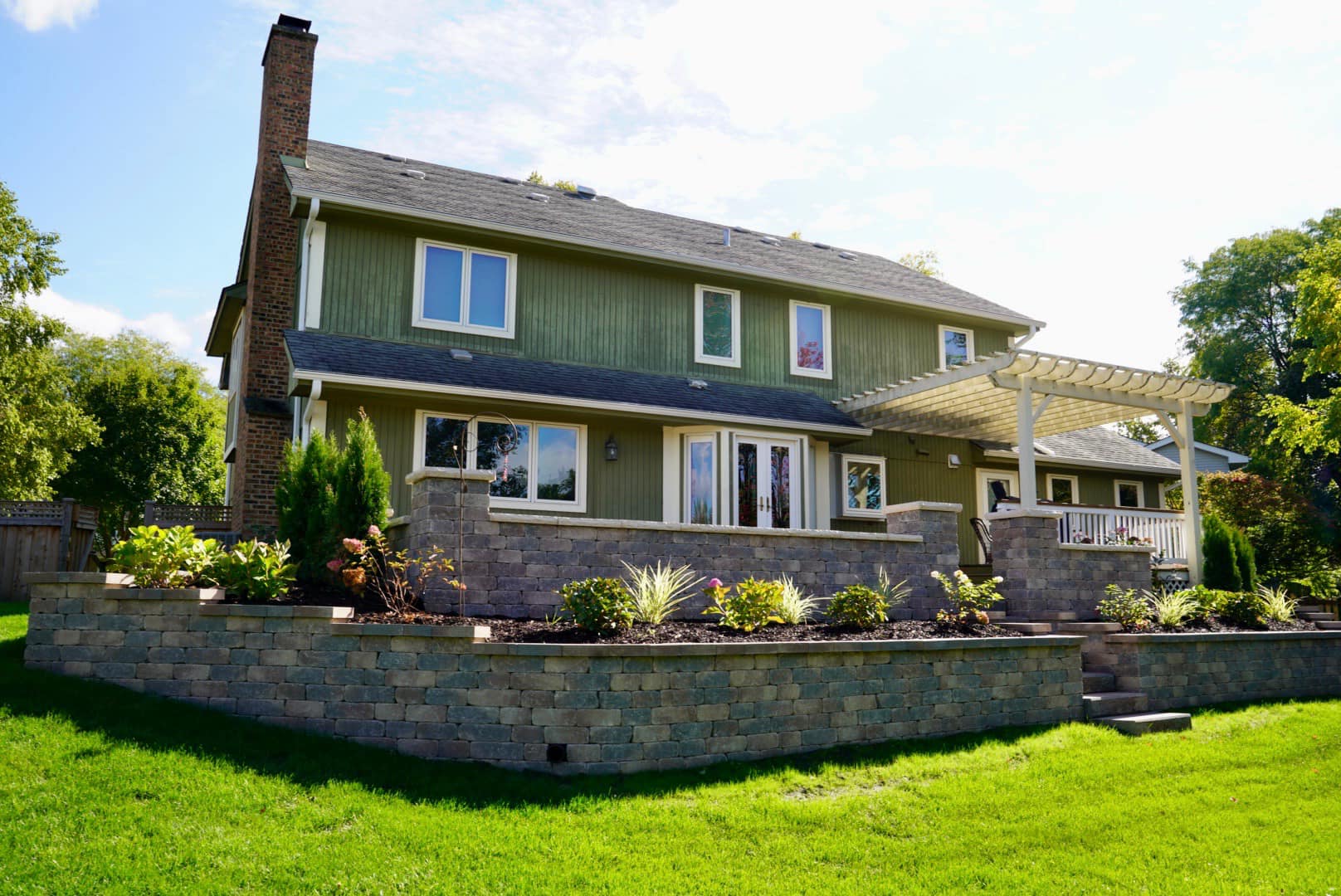
Mastering the Art of Stone Steps: Adding Elegance and Functionality to Your Landscape Feb 19, 2026
Installing stone steps begins with understanding the landscape and planning each step to harmonize with the existing environment. When beautifully executed, stone steps can lead you from one area of your yard to another with an effortless sense of flow. Using natural stone can enhance this effect, as the variety in color, texture, and size offers a rustic charm that feels organically integrated into the surrounding landscape.
Selecting the right material is crucial. Popular choices include granite, limestone, and sandstone, each offering unique benefits. Granite is extremely durable and can withstand heavy foot traffic, making it ideal for frequently used pathways. Limestone offers a more uniform appearance and is easier to cut into various shapes, allowing for creative design flexibility. Sandstone is known for its warm tones and natural grain, which can add a cozy feel to any landscape.
Safety is always a priority when designing stone steps. Well-considered dimensions—namely the height and depth of each step—are crucial for comfortable usage. Typically, a step rise of seven inches and a tread of about twelve inches is a good balance for ease and comfort. We also recommend incorporating slip-resistant textures to the stone surfaces, particularly in parts of the landscape prone to moisture.
One of the most overlooked aspects of stone step design is the layout. Not only do the steps need to be functional, but they should also complement the landscape's lines and curves. A winding stairway can create mystery and allure, guiding guests through lush gardens or around architectural features. In contrast, straight and wide steps can offer a grand and inviting entrance that emphasizes perspective and scale.
Lighting can also enhance both function and beauty. Strategically placed soft lighting can dramatically illuminate the steps at night, ensuring safety while casting artful shadows that accentuate the texture and natural beauty of the stone. Solar lights, low-voltage LED, or recessed lights are excellent options that can fit seamlessly into the overall design without becoming an eyesore during daylight.
Maintaining stone steps involves regular cleaning and occasional sealing to protect against moisture ingress and staining, especially for porous stones like limestone. Stone sealing can also enhance the colors, adding a degree of vibrancy that can make the steps stand out.
In conclusion, well-designed stone steps crafted by experts like those at Alvarez Pavingstone INC. offer a timeless appeal with lasting durability. By considering materials carefully, planning the layout strategically, and maintaining them properly, stone steps can be a striking focal point that adds both practicality and aesthetic value to your landscape. Whether for grand entrances or subtle transitions, mastering the art of stone steps is an investment in beauty and functionality that truly elevates outdoor living.
/filters:no_upscale()/filters:format(webp)/media/65d20b55-ea38-4162-97b0-d0cf9176ac8f.jpg)